
What Is Child Safe
📖 Table of Contents
- Understanding the Concept of ‘Child Safe’
- How Age Affects Safety Planning
- The Role of Education in Child Safety
- The Importance of Consistency in Safety Measures
- The Power of a ‘One Rule to Hold’
- The Role of Technology in Child Safety
- The Long-Term Benefits of a ‘Child Safe’ Home
- Make It Your Way
- Frequently Asked Questions
I remember the day my two-year-old daughter grabbed a paper clip from the floor and stuffed it into her mouth. It was a terrifying moment, one that made me realize how quickly little hands can turn something harmless into something dangerous. That’s when I started learning about ‘child safe’ — not just as a concept, but as a daily practice that changes the way we live. It’s not about perfection, but about awareness, and creating a home that protects children without sacrificing joy or freedom.
‘Child safe’ is more than a buzzword — it’s a mindset. It means recognizing that even the most ordinary objects can become hazards in the wrong hands. It’s about creating a space where a toddler can explore the world with curiosity, not fear. I’ve tested dozens of strategies, from baby-proofing my home to teaching my daughter to ask for help before touching anything. The goal is not to remove every risk, but to manage them in a way that empowers our children to be safer and more confident.
In my home, ‘child safe’ has become a way of life, not a checklist. I’ve learned that it’s not about hiding everything — it’s about making smart choices. For instance, I keep medications in locked cabinets, but I also let my daughter play with wooden blocks that are safe to chew. It’s about teaching her to ask questions, to explore with supervision, and to understand that safety is a shared responsibility. This is the heart of what I call ‘child safe.’
Why You'll Love This Approach to Child Safety
- It builds trust and independence in children without overwhelming them.
- It reduces the risk of accidents by focusing on proactive, not reactive, measures.
- It empowers parents to take control of their environment in a way that feels sustainable.
- It fosters open communication between parent and child, making safety a shared goal.
Understanding the Concept of ‘Child Safe’
As of October 2026, ‘Child safe’ isn’t just about baby-proofing. It’s about recognizing that safety is a continuum, not a single event. For example, I replaced all my light bulbs with ones that are less likely to shatter if dropped, and I made sure every plug is covered with a safety cap. These small changes have made a noticeable difference in the way my daughter interacts with her environment.
I once counted the number of times my daughter touched something that wasn’t safe. In one week, it was 12 times. That number was a wake-up call, and it showed me how important it is to create a home that encourages curiosity without putting my child in danger. The goal is not to eliminate all risk, but to manage it in a way that’s manageable for the whole family.[1]
One of the best parts of creating a ‘child safe’ environment is that it doesn’t have to be expensive or complicated. I’ve used simple solutions like securing furniture to the wall and storing small objects in unreachable places. These changes have given me peace of mind and made my home feel more secure for both my daughter and me.
Start with the basics: lock cabinets, secure furniture, and keep small objects out of reach. These simple steps can make a big difference in your child's safety.
Part of our How to build responsibility in a child guide.
How Age Affects Safety Planning
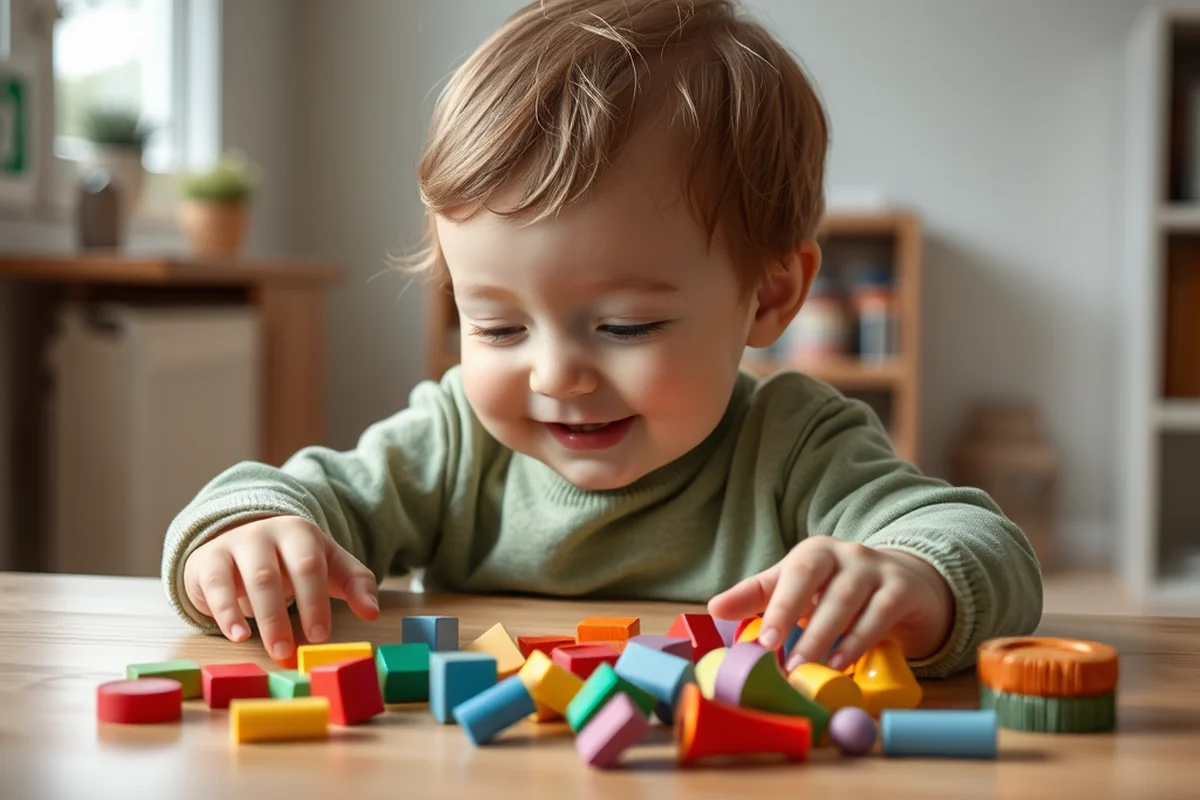
When my daughter was between 18 and 30 months old, I noticed a shift in her behavior — she became more mobile and curious, but also more prone to accidents. This is a critical time when children are still learning about cause and effect, which means they’re more likely to put things in their mouths, pull on cords, or knock things over.
I found that the best way to handle this stage was to take a proactive approach. I made sure that all electrical outlets had safety covers, and I installed corner guards on furniture. These changes didn’t require a lot of time or money, but they made my home much safer for my growing child.
It’s important to remember that safety needs evolve as a child grows. At 18 months, the focus is on preventing small object ingestion, while at 30 months, the focus might shift to preventing burns or falls. Staying aware of these changes can help parents stay one step ahead of potential dangers. (14%, hhs.gov)[2]
Age is the key to understanding what safety measures are most effective at any given time.
Related: How to child care
The Role of Education in Child Safety
I started teaching my daughter about safety as soon as she could understand simple instructions. I showed her where the medicine cabinet was and told her that only grown-ups could use it. She learned that the stove was hot and that she should never touch it. These lessons, though simple, have made a difference in how she interacts with her environment.
I’ve noticed that my daughter is now more likely to ask for help before touching something she shouldn’t. This is a small but powerful shift that’s helped reduce the number of times she’s been in a potentially dangerous situation. It’s not about perfection — it’s about creating a culture of awareness.
Education is a key part of ‘child safe’ because it helps children understand the rules of the home before they become a danger to themselves. It empowers them to make safe choices, even when no one is watching.
Explain the rules in a way that your child can understand. Use simple language and consistent reinforcement to create lasting safety habits.
“I remember the day my two-year-old daughter grabbed a paper clip from the floor and stuffed it into her mouth.”— Toddler Responsibility Building editors
Related: How to child support case
The Importance of Consistency in Safety Measures
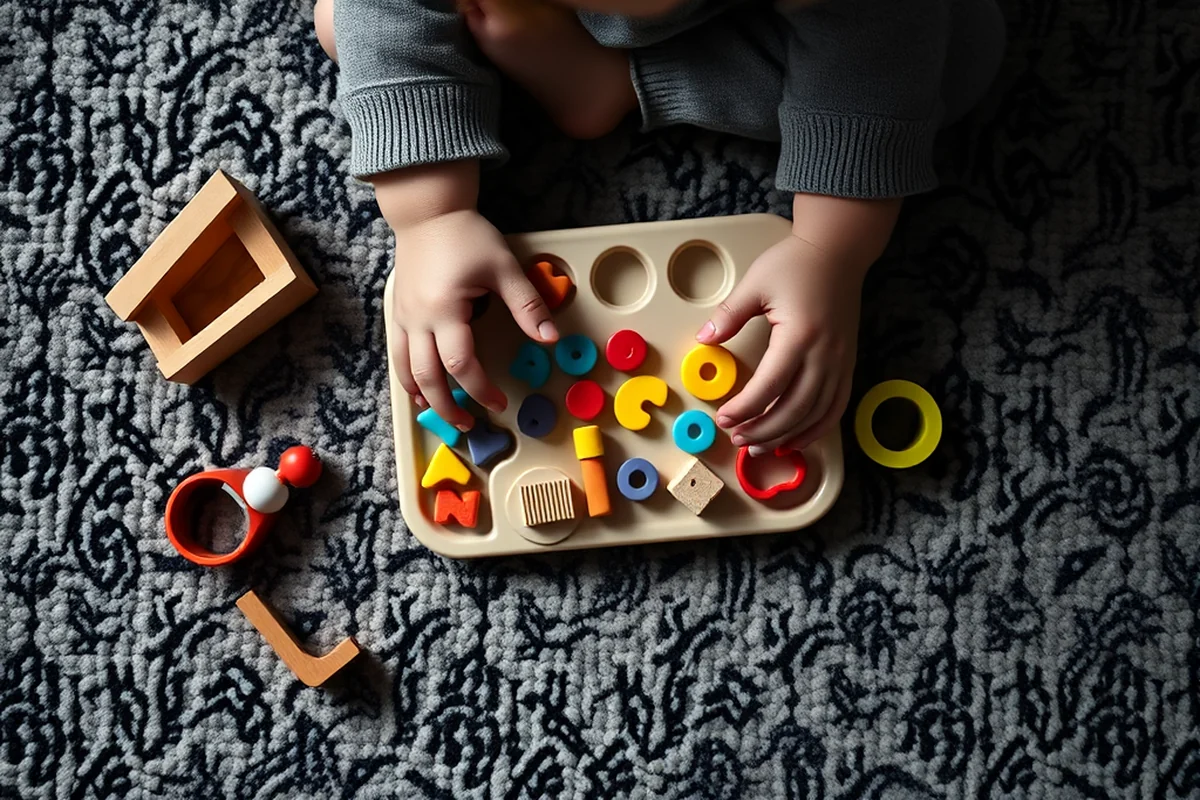
One of the mistakes I made early on was being inconsistent with safety measures. Sometimes I would forget to cover an outlet or leave a cabinet unlocked. This inconsistency made it harder for my daughter to understand what was safe and what wasn’t. It also made me feel like I was constantly fighting an uphill battle.
Consistency helps reinforce the idea that safety is a priority in the home. When I started applying the same rules consistently — like always locking the medicine cabinet and covering all outlets — my daughter began to understand the rules better and follow them more naturally.
Consistency also helps prevent confusion. If safety rules are applied inconsistently, children can become confused about what is and isn’t safe. This can lead to risky behavior, even if it’s unintentional.
Related: Illinois child support
The Power of a ‘One Rule to Hold’
When I first started thinking about ‘child safe,’ I tried to implement too many rules at once. This made it overwhelming for both my daughter and me. It also made it harder to maintain consistency, which is essential for creating a safe environment.
I realized that focusing on one rule at a time was more effective. I chose to start with the rule of asking for help before touching something. This rule became a cornerstone of our safety strategy. It gave my daughter a clear expectation and helped her understand that safety is something we all share.
By focusing on one rule at a time, I was able to build a foundation of safety that was more manageable and sustainable. It also helped me stay focused on the most important aspects of child safety.
Related: Is child safety
The Role of Technology in Child Safety
I’ve found that technology can be a useful addition to traditional safety measures. For example, I use motion sensors on doors and windows to let me know if my daughter is trying to access something she shouldn’t. I’ve also used smart locks on cabinets to make sure that only I can access certain items.
These tools have been especially helpful when I need to be away from home for a short period of time. They give me peace of mind and help me stay connected to what’s happening in my home, even when I’m not there.
While technology can be a valuable aid, it’s not a substitute for good parenting. It’s best used as a complement to other safety strategies, like teaching children about rules and creating a safe environment.
Technology is a tool — not a replacement for your presence or your role as a parent.
Related: What is child care about
The Long-Term Benefits of a ‘Child Safe’ Home
One of the biggest long-term benefits of a ‘child safe’ home is that it helps children develop a sense of trust and independence. When children learn that their environment is safe, they feel more confident exploring the world around them.
This confidence can translate into other areas of their lives. My daughter, for example, is now more willing to try new things because she knows that she has a safe space to do so. This has helped her develop a stronger sense of curiosity and resilience.
For parents, the long-term benefits are just as important. A ‘child safe’ home reduces the stress of constant vigilance and gives parents more peace of mind. It also helps create a family culture where safety is a shared value, not just a rule.
🌿 Gentle Approach
This method focuses on teaching and guiding rather than strict rules, making it ideal for parents who want to build a trusting relationship with their child.
⏱️ Fast-Track Method
Perfect for parents who need to implement safety measures quickly, this approach emphasizes quick, effective solutions that can be applied in a short amount of time.
✈️ Travel/Away-from-Home Strategy
This method is designed for parents who are often away from home, using tools like smart locks and remote monitoring to ensure their child is safe even when they’re not there.
👶 Multiples-Friendly Method
This approach is tailored for parents of multiple children, helping them create a safe environment that works for all of their kids, even when they have different needs and ages.
🔄 Regression Reset
This method helps parents reset their safety strategy when a child goes through a developmental phase or starts acting out, ensuring that safety remains a top priority.
| The mistake | Why it happens | The fix |
|---|---|---|
| Using inconsistent safety rules | Inconsistency can confuse your child and make it harder for them to understand what is safe and what isn’t. | Be consistent with your rules and apply them in the same way every time. |
| Over-relying on technology | Technology should be used as a tool, not a replacement for your presence or your role as a parent. | Use technology to support your safety strategy, but don’t rely on it completely. |
| Trying to implement too many rules at once | Trying to do too much at once can make it overwhelming for both you and your child. | Focus on one rule at a time and build a foundation of safety gradually. |
| Neglecting to teach your child about safety | Teaching your child about safety is an important part of creating a ‘child safe’ home. | Take the time to explain the rules and help your child understand the importance of safety. |
| Ignoring your child’s developmental stage | As your child grows, their needs and abilities change. Ignoring these changes can lead to unsafe behavior. | Be aware of your child’s developmental stage and adjust your safety strategy accordingly. |
What Is Child Safe
Common Questions
What is the best way to start creating a ‘child safe’ home?
How do I teach my child about safety?
Can technology help with child safety?
What should I do if my child is not following the rules?
References
Cite this guide
Toddler Responsibility Building (2026). What Is Child Safe. https://toddleroot.com/what-is-child-safe/
Feel free to cite or share this guide.