
How To Division Of Responsibility Toddler Eating

📖 Table of Contents
Understanding how to division of responsibility toddler eating is essential for fostering healthy eating habits and reducing mealtime stress for both parents and children. This approach empowers toddlers to make choices while ensuring they receive balanced nutrition, and it's a cornerstone of child feeding practices recommended by pediatricians and nutritionists. This guide serves as a hub, providing a comprehensive overview of the division of responsibility and directing you to in-depth resources that cover every aspect of implementing this method at home.[1]
The division of responsibility (DOR) is a feeding framework that assigns specific roles to parents and toddlers, helping to build autonomy in eating while maintaining parental guidance. This method is particularly effective for toddlers, who are in a critical developmental stage where learning self-regulation and healthy eating behaviors begins. The approach is not only practical but also backed by research showing its long-term benefits on a child’s relationship with food.[2]
By the end of this guide, you'll have a clear understanding of how to apply DOR in your home, know where to find checklists and templates, and be equipped to avoid common pitfalls. Whether you're looking for affordable options or alternative strategies, this hub page will guide you to the resources you need for a peaceful and nutritious mealtime experience.
Key Takeaways
- The division of responsibility (DOR) assigns parents the role of providing food and setting the environment, while toddlers choose what and how much to eat.
- Checklists and templates can help parents consistently apply DOR and maintain structure during mealtimes.
- Common mistakes like pressuring a child to eat or using food as a reward can disrupt the DOR framework and harm a child's relationship with food.
- Troubleshooting mealtime challenges is easier when parents understand the principles of DOR and are equipped with alternative strategies when necessary.
At Home
As of August 2026, Establishing a routine is the first step in applying DOR at home. Meal and snack times should be consistent, giving toddlers a sense of security and predictability. This helps reduce anxiety around food and encourages them to make healthy choices. For example, serving meals at the same time each day can become a familiar ritual that toddlers look forward to.[3]
Parents should prepare a variety of healthy foods, offering a balance of proteins, vegetables, fruits, and whole grains. This ensures that toddlers have access to nutritious options while learning to choose what they want to eat. According to the American Academy of Pediatrics, toddlers who are offered a range of foods are more likely to develop a diverse palate and healthier eating habits over time.[4]
It's crucial to avoid pressuring toddlers to eat, as this can lead to negative associations with food. Instead, parents should model healthy eating behaviors and remain patient. For instance, if a toddler refuses a new food, parents should not force the issue but instead continue to offer it at future meals. This approach respects the toddler's autonomy and promotes long-term healthy eating habits.
Checklists

A DOR checklist can include items such as preparing a variety of healthy foods, setting the table with appropriate utensils, and ensuring the mealtime environment is calm and distraction-free. These checklists help parents focus on their role, which is to provide, not to control. A well-structured checklist can reduce mealtime stress and help parents stay consistent.
Using a checklist also ensures that parents are not inadvertently taking on the role of a food police officer. For example, a checklist might remind parents to avoid commenting on the size of a toddler's portion or to refrain from using food as a reward or punishment. This helps maintain the integrity of the DOR framework.
Some parents find it helpful to create a weekly meal plan that includes a variety of foods, which can then be broken down into daily checklists. This approach not only supports the DOR method but also helps in planning nutritious and balanced meals for toddlers.
Related: Toddler Behavior Guidance Step By Step
Related: Best Toddler Parenting Resources
Related: How To Build Responsibility In A Child
Related: Division Of Responsibility In Feeding Children
Related: Responsibility Chart For Toddler Benefits
Templates
Templates can be used to outline the roles of both parents and toddlers during mealtimes. For example, a template might include a section for parents to note the foods offered, a section for the toddler to indicate what they ate. A space for notes on the toddler's eating behavior. This can be particularly useful for tracking progress and identifying patterns.
Some templates also include space for mealtime goals, such as introducing a new food or encouraging self-feeding. These templates help parents stay focused on their role while allowing toddlers to practice independence. One parent reported that using a template helped them reduce the frequency of mealtime battles and increased their toddler's willingness to try new foods.
Templates can also be adapted for different family situations, such as when parents are working or when grandparents are involved in feeding. This flexibility ensures that the DOR method can be applied consistently even when mealtime responsibilities shift.
“Templates can be used to outline the roles of both parents and toddlers during mealtimes.”— Toddler Responsibility Building editors
Common Mistakes
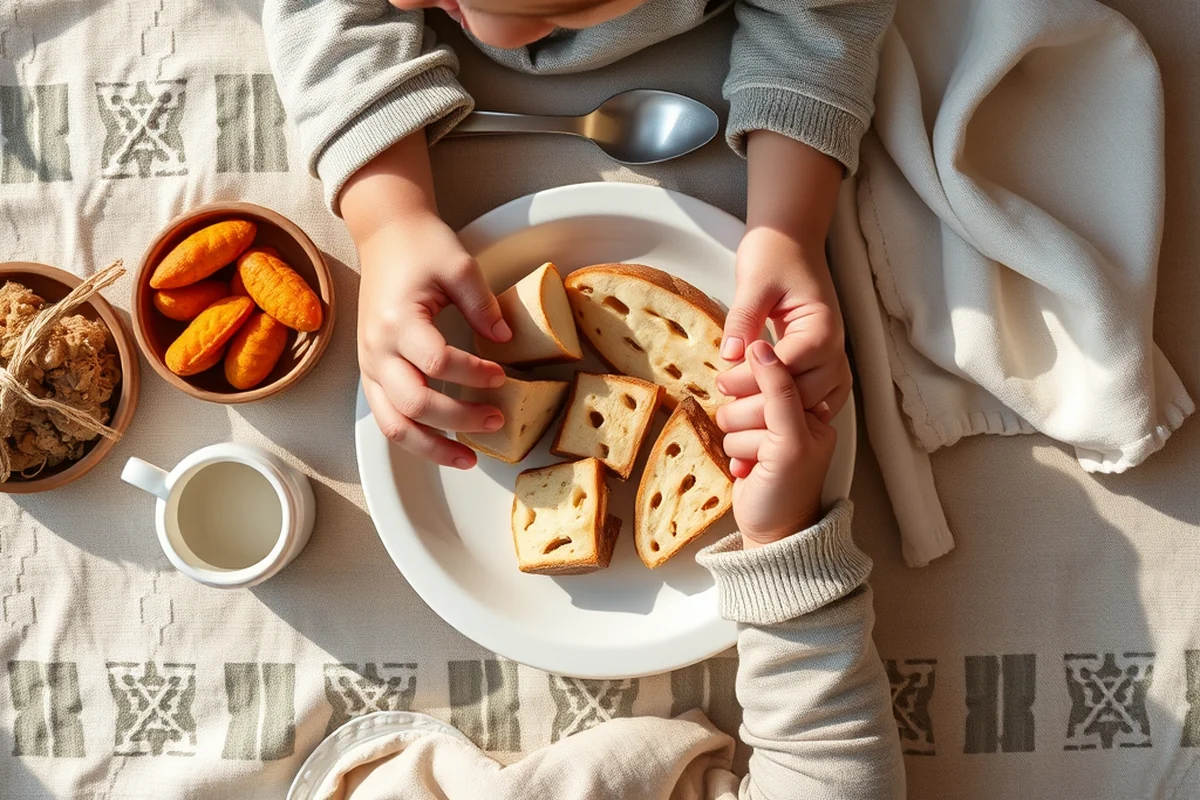
One of the most common mistakes is pressuring toddlers to eat. This can create anxiety around food and lead to picky eating behaviors. Parents might mistakenly believe that pressuring a child to eat more is the best way to ensure they're getting enough nutrition, but this approach can backfire and result in mealtime battles.
Another mistake is not providing a variety of healthy options. If toddlers are only offered limited foods, they may not develop the skills needed to make healthy choices. For example, if a toddler is only given chicken nuggets and apple slices, they may not learn to enjoy a wider range of foods, which can impact their long-term eating habits.
Using food as a reward or punishment is another common mistake. This can create an unhealthy relationship with food, where toddlers associate eating with positive or negative outcomes. Instead, food should be treated as a neutral part of mealtime, not a tool for behavior modification.
Troubleshooting
If a toddler is refusing to eat, it's important to consider possible reasons such as hunger, fatigue, or a change in routine. Parents should ensure that the toddler is not being overfed before meals, as this can reduce their appetite. If the toddler is consistently refusing food, it may be worth consulting a pediatrician to rule out any underlying health issues.
When mealtime becomes a power struggle, parents should remain calm and avoid engaging in arguments or power plays. It can be helpful to step away for a few minutes and return to the meal when the toddler is more relaxed. This approach helps maintain a positive mealtime environment and encourages the toddler to eat on their own terms.
If a toddler is not meeting nutritional needs, parents should focus on providing a variety of healthy foods rather than forcing them to eat. A registered dietitian can provide personalized advice on how to meet a toddler's nutritional requirements while respecting their autonomy.
Alternatives
For toddlers with special dietary needs, such as food allergies or intolerances, DOR can be adapted to ensure that they receive the necessary nutrients while still being encouraged to make choices. For example, parents can offer a variety of safe, allergen-free foods and allow the toddler to choose what they want to eat from that selection.
In situations where DOR is not practical, such as when a toddler is being cared for by multiple caregivers, alternative strategies can be used to ensure consistency. One approach is to create a shared mealtime plan that outlines the roles of each caregiver and the foods that will be offered during each meal.
If a toddler is not ready for DOR, parents can use a more gradual approach, such as offering a small selection of foods and slowly increasing the variety over time. This allows the toddler to build confidence in making choices while still receiving guidance from parents.
Budget-Friendly
Creating a budget-friendly approach to toddler eating doesn't mean compromising on nutrition or variety. Start by meal planning ahead of time to reduce food waste and avoid last-minute, expensive purchases. Choose affordable, nutrient-dense foods like beans, lentils, oats, and seasonal produce, which are not only economical but also provide essential vitamins and minerals for growing toddlers.
Batch cooking is another effective way to save money while ensuring your toddler gets balanced meals throughout the week. Prepare large portions of healthy dishes like soups, stews, and casseroles, and store them in portioned containers for easy access. This not only saves time but also helps maintain consistency in your toddler's eating habits without the need for frequent grocery shopping.
Also, consider utilizing coupons, store discounts, and buying in bulk for non-perishable items. Many budget-friendly grocery stores offer high-quality, affordable options that are perfect for toddlers. By being mindful of your spending and focusing on long-term health, you can provide your toddler with nutritious meals that support their growth and development without overspending.
Tools, Materials and Resources
A variety of tools and resources can support parents in establishing the division of responsibility. These include child-friendly plates, utensils, and portion-sized containers that encourage independence during meals. High-quality cookbooks tailored for toddler nutrition can guide parents in preparing balanced, appealing meals.
Apps and online platforms offer valuable resources such as meal planning tools, nutritional tracking, and educational videos on toddler eating behaviors. These tools help parents stay organized and informed while maintaining a consistent approach to feeding their child.
Books and parenting guides specifically focused on toddler eating habits can provide deeper insights and practical strategies. Parenting communities and forums also serve as valuable resources where parents can share experiences and seek advice from others on similar journeys.
Troubleshooting and Common Questions
Parents frequently encounter challenges such as picky eating, mealtime resistance, and difficulties with self-feeding. These issues can be addressed by maintaining a calm and consistent approach, offering a variety of nutritious options, and allowing toddlers to explore food at their own pace.
Common questions include how to handle mealtime power struggles, what to do when a toddler refuses to eat, and how to manage food preferences without compromising nutrition. Clear communication, patience, and understanding toddler development stages can help parents navigate these concerns.
It's also important to know when to seek professional guidance, such as from a pediatrician or registered dietitian, if nutritional concerns persist. Troubleshooting often involves adjusting strategies, staying flexible, and reinforcing the principles of division of responsibility with consistency and empathy.
Getting Started: Your First Steps
Start by setting a regular meal and snack schedule to help your toddler develop predictable eating habits. Consistency is key, as it helps toddlers understand when and where meals occur, reducing mealtime anxiety and increasing cooperation.
Introduce a variety of foods early on, even if your toddler only tries a few bites. Exposure to different flavors and textures is essential for developing a diverse palate. Keep meals colorful and fun to encourage engagement and interest.
Involve your toddler in meal preparation when possible, such as letting them help with washing vegetables or choosing a fruit for dessert. This not only makes mealtime more enjoyable but also helps them feel a sense of ownership and curiosity about food.
🌱 Beginner
The simplest version — minimal supplies, quick win.
💰 Budget
Same result using what you already have.
⚡ Quick
The 10-minute version for busy days.
✨ Advanced
The upgraded version once the basics stick.
| The mistake | Why it happens | The fix |
|---|---|---|
| Using food as a reward or punishment | Using food as a reward or punishment can create an unhealthy relationship with food and may lead to overeating or avoidance behaviors. | Treat food as a neutral part of mealtime. Focus on creating a positive mealtime environment rather than using food to modify behavior. |
how to division of responsibility toddler eating
Common Questions
How can I apply division of responsibility toddler eating at home?
What is a division of responsibility toddler eating checklist?
Are there templates for division of responsibility toddler eating?
What are common mistakes in division of responsibility toddler eating?
Cite this guide
Toddler Responsibility Building (2026). How To Division Of Responsibility Toddler Eating. https://toddleroot.com/how-to-division-of-responsibility-toddler-eating/[5]
Feel free to cite or share this guide.
References
- Healthy Connections: Manage Mealtime Meltdowns | KSRE Bookstore (bookstore.ksre.ksu.edu)
- How and why you should avoid rewarding your child with sweets (canr.msu.edu)
- Executive Function, Eating Competence, and the Feeding ... (digital.lib.washington.edu)
- Nutrition and Physical Activity Self-Assessment for Child Care (emich.edu)
- How to teach kids about healthy eating: Dietitian's 10 tips (engagement.source.colostate.edu)