
Triple P Parenting Program
📖 Table of Contents
- What Is the Triple P Parenting Program?
- How the Triple P Program Helps with Tantrums
- Building Emotional Resilience with Triple P
- Using Triple P for Sibling Rivalry
- Triple P and Discipline Without Punishment
- The Long-Term Benefits of the Triple P Program
- Triple P for Parents with Complex Needs
- Make It Your Way
- Frequently Asked Questions
The first time my toddler screamed at the grocery store, I stood frozen, unsure of how to respond. I had read about the Triple P parenting program, but I hadn’t realized how directly it could apply to these moments. What I didn’t know then was that this program, developed in Australia, was designed not just for extreme situations but for everyday parenting challenges. It gave me a framework to think through the problem, understand my child’s emotions, and respond with calm and consistency.[2]
I remember the first time I applied the Triple P approach to a temper tantrum. Instead of yelling or giving in, I used the 'positive discipline' technique: I got down to my child’s level, acknowledged their feelings, and offered choices. That simple shift took the tension out of the situation and helped my child feel heard. I didn’t know then how much that moment would change the way I parented for years to come.[3]
Now, I use the Triple P parenting program as my go-to guide for raising my children. It’s not a magic fix, but it’s a tool that has helped me become a more patient, informed, and effective parent. Whether I’m dealing with bedtime battles, sibling rivalry, or meltdowns in public, the program has given me a way to stay grounded and focused on what really matters: my child’s well-being.[4]
Why You'll Love This Approach
- It helps you stay calm during challenging moments.
- It builds long-term emotional resilience in your child.
- It provides a structured, evidence-based method for parenting.
- It’s adaptable to a wide range of family situations.
What Is the Triple P Parenting Program?
As of September 2026, the Triple P parenting program, also known as the Positive Parenting Program, was developed by researchers at the University of Queensland in the 1990s. It has since been adapted for use in over 30 countries and is backed by decades of research. The program provides parents with practical tools and strategies to manage their child’s behavior, improve communication, and foster emotional development.[1]
What makes Triple P unique is its tiered approach. It offers different levels of support depending on the needs of the family, from brief information sessions to more intensive, one-on-one guidance. This flexibility means that it can be used by a wide range of parents, from those who are just starting to feel overwhelmed to those who are dealing with more complex behavioral issues.
I’ve found that the program works best when parents take the time to understand the underlying causes of their child’s behavior. Whether it’s a tantrum in the grocery store or a refusal to go to bed, the program helps parents see the situation from a more objective perspective and respond with empathy and consistency.
Try applying one strategy from the program each day, like acknowledging your child’s feelings without judgment. You’ll be surprised how quickly it makes a difference.
How the Triple P Program Helps with Tantrums
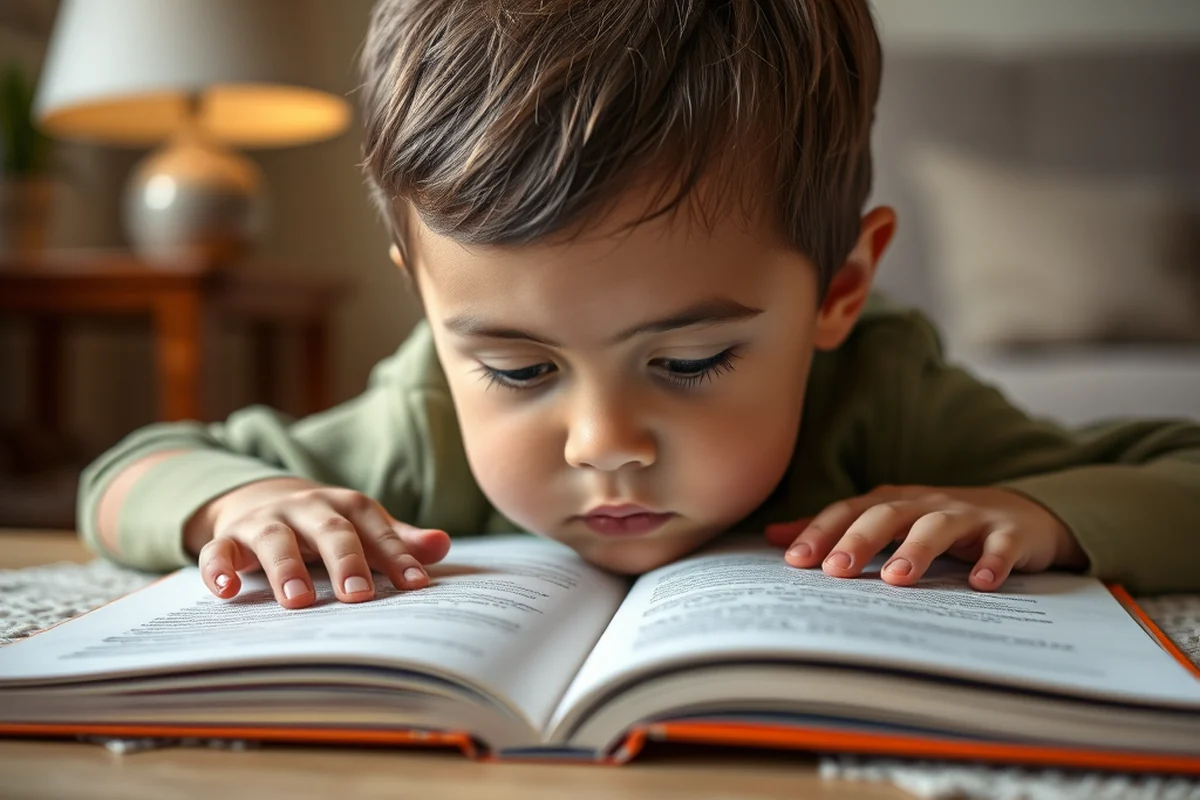
Tantrums are a common challenge for parents of young children, and the Triple P program offers specific techniques to help manage these situations. One of the key strategies is to remain calm and avoid power struggles. Instead of trying to control the situation, parents are encouraged to validate their child’s emotions and offer choices that give the child a sense of control.
I remember the first time I used this approach during a public meltdown. Instead of trying to stop my child’s crying, I sat down, acknowledged that they were upset, and offered a choice between two options. It immediately de-escalated the situation and helped my child feel understood.
The program also teaches parents to avoid using punishment as a solution. Punishment can backfire, leading to more intense tantrums. Instead, the focus is on teaching the child alternative behaviors and reinforcing positive actions through praise and encouragement.
Tantrums are not about being bad; they’re about being overwhelmed.
Related: Child care aware
Related: What is family safety settings
Related: What is child care education
Related: Affordable Responsible Parenting Basic 3
Building Emotional Resilience with Triple P
One of the most valuable aspects of the Triple P program is its focus on emotional development. It teaches parents how to help their children identify and manage their emotions, which is crucial for building resilience. This skill is especially important during the toddler years, when children are still learning how to express themselves.
I’ve used the program’s techniques to help my child label their emotions more clearly. For example, when my child was upset, I would ask them, 'Are you feeling sad or angry?' This simple act helped them understand their feelings better and gave them the tools to express themselves in a healthy way.
Over time, I’ve noticed that my child is better at managing their emotions. They’re less likely to have meltdowns and are more able to express their needs in a constructive way. This kind of emotional resilience is something that will benefit them throughout their lives.
When your child is upset, name the emotion they’re feeling. This helps them understand and manage their feelings more effectively.
“The first time my toddler screamed at the grocery store, I stood frozen, unsure of how to respond.”— Toddler Responsibility Building editors
Related: Affordable responsible parenting basic 1
Related: The child care
Using Triple P for Sibling Rivalry

Sibling rivalry is a common challenge for parents, and the Triple P program offers strategies to help manage conflicts between siblings. One of the key techniques is to encourage positive interaction between siblings and teach them how to resolve conflicts through communication and empathy.
I’ve used the program’s strategies to help my children learn how to share and take turns. For example, I’ve taught them to use 'I' statements when expressing their feelings, such as, 'I feel sad when you take my toy.' This approach helps children express their emotions in a constructive way without blaming their siblings.
Another useful technique is to provide opportunities for siblings to work together on tasks. This not only reduces conflict but also builds a sense of teamwork and cooperation. Over time, I’ve noticed that my children are more respectful of each other and are better at resolving their disagreements without constant parental intervention.
Triple P and Discipline Without Punishment
Discipline is a key aspect of parenting, and the Triple P program offers a different approach to traditional punishment. Instead of relying on time-outs or scolding, the program focuses on teaching children the consequences of their actions and helping them understand what is expected of them.
One of the strategies I use is to set clear and consistent rules, and then explain the reasons behind them. For example, if my child refuses to clean up their toys, I explain that it’s important for everyone to keep the house tidy and that this helps create a more pleasant environment for all of us.
I’ve also found that praising good behavior is more effective than punishing bad behavior. When my child follows the rules or helps out, I make sure to acknowledge their efforts. This reinforcement helps them understand that their actions have positive outcomes and encourages them to continue making good choices.
The Long-Term Benefits of the Triple P Program
One of the most significant long-term benefits of the Triple P program is the improvement in family relationships. The program teaches parents how to communicate more effectively, resolve conflicts, and build trust with their children. These skills not only help during the toddler years but also lay the foundation for a healthy, supportive family environment.
I’ve noticed that my child is more confident and secure in our relationship because I’ve been consistent in my approach. They know what to expect from me, and they feel safe and supported. This kind of emotional security is crucial for a child’s development and can have lasting effects on their behavior and emotional well-being.
Over time, I’ve also noticed that my child is more independent and self-aware. They’re better able to manage their emotions, express their needs, and make responsible choices. These are all qualities that will serve them well as they grow into adulthood.
Consistency is the key to building trust and security in your child.
Triple P for Parents with Complex Needs
For parents facing more complex behavioral challenges, the Triple P program provides additional support through specialized interventions. These interventions are designed to address more severe behavioral issues, such as aggression, defiance, or anxiety, and are tailored to the specific needs of the family.
I’ve found that the program’s tiered approach is especially helpful for parents who are dealing with more complex situations. The program allows for a more intensive level of support, including one-on-one sessions with a trained parent advisor who can help guide the parent through the process.
These specialized interventions are not only effective for managing difficult behaviors but also help parents build their confidence and skills as caregivers. Over time, this can lead to more positive outcomes for both the parent and the child.
🧘 Gentle Approach
Focuses on empathy and emotional awareness, ideal for parents who prefer a more nurturing style.
⚡ Fast-Track Method
Tailored for parents who need quick, actionable strategies without a long commitment.
🧳 Travel/away-from-home
Provides tools for managing behavior in new or stressful environments, like family trips or visits.
👶 Multiples
Designed for parents of twins or multiples, offering strategies for managing multiple children at once.
🔄 Regression Reset
Helps parents address behavior regression due to significant life changes, like moving or divorce.
| The mistake | Why it happens | The fix |
|---|---|---|
| Ignoring the child’s emotions during a tantrum. | This can make the child feel misunderstood and lead to more intense meltdowns. | Use the Triple P approach to validate the child’s feelings and offer support. |
| Using punishment as the primary response to behavior. | This can create a cycle of negative behavior and teach the child that aggression is an effective way to get what they want. | Focus on teaching positive behaviors through modeling and encouragement. |
| Trying to apply too many strategies at once. | This can overwhelm the parent and the child, making it difficult to see which strategies are effective. | Choose one or two strategies to focus on and build from there. |
| Not being consistent in applying the program’s techniques. | Inconsistency can confuse the child and make it harder for them to understand what is expected. | Make sure to apply the program’s strategies consistently and reinforce positive behaviors regularly. |
Triple P Parenting Program
Common Questions
How long does it take to see results with the Triple P program?
Is the Triple P program suitable for all family situations?
Can I use the Triple P program with older children?
Is the Triple P program available online?
References
- Positive Parenting Program (Triple P) | Berrien County, MI (berriencountymi.gov)
- Triple P: Positive Parenting Program - CrimeSolutions.gov (crimesolutions.ojp.gov)
- Triple P - Cumberland County Government (cumberlandcountync.gov)
- Triple P Program - Positive Parenting Program - Ohio.gov (dam.assets.ohio.gov)
Cite this guide
Toddler Responsibility Building (2026). Triple P Parenting Program. https://toddleroot.com/triple-p-parenting-program/
Feel free to cite or share this guide.