
What Is Family Support
📖 Table of Contents
- What Is Family Support in Practice?
- The Power of Small, Daily Actions
- How to Build a Supportive Family System
- The Role of Emotional Support in Family Dynamics
- When to Step In and When to Step Back
- How Family Support Affects Child Development
- The Long-Term Benefits of Family Support
- The Financial Aspect of Family Support
- Make It Your Way
- Frequently Asked Questions
I remember the first time my toddler left the room with a small, broken toy. My husband and I exchanged glances, unsure of how to handle it. That moment was a turning point for us — it made me realize that family support is more than just being present. It’s about knowing when to step in, when to step back, and how to create a system that allows everyone — even the little ones — to feel safe and guided.
Family support isn’t a vague idea. It’s a tangible, daily practice. It means creating structures that work for your family, not just your ideal. It’s about showing up for each other in the messy, chaotic moments — whether it’s helping a toddler clean up a mess or comforting a parent who’s overwhelmed by a sleepless night. It’s the difference between a family that feels like a team and one that feels like a collection of individuals.
Through trial and error, I learned that family support is built on communication, consistency, and compromise. My toddler now knows that when she’s upset, she can ask for help without being scolded. My husband and I have established routines that allow us to support each other without falling into the trap of burnout. It’s not perfect, but it’s real, and it’s made our family stronger.
Why You'll Love This Approach to Family Support
- You'll feel more connected to your family through consistent, thoughtful support.
- You’ll see your child grow into a more confident, independent individual.
- You’ll be able to handle stressful moments without feeling overwhelmed.
- You’ll create a home environment that feels safe and nurturing.
What Is Family Support in Practice?
As of October 2026, Family support is not just about showing up. It’s about showing up in the right way. I’ve learned that it means being present not just physically, but emotionally. For example, when my toddler is throwing a tantrum, I don’t just scoop her up and distract her. I stay with her, acknowledge her feelings, and give her the space to process them.
One key to family support is consistency. We’ve created simple routines that allow each of us to know what to expect. When my toddler knows that dinner time is at 6:30 and that after dinner we read a book, it helps her feel secure. This stability is crucial for her development and for our peace of mind.[1]
Another aspect is communication. My husband and I make sure to check in with each other daily, even if it’s just a five-minute conversation before bed. This helps us stay aligned on parenting strategies and allows us to support each other without conflict.
Put a small box in a visible place where your child can put their worries or happy thoughts. This gives them a way to express their emotions without being overwhelmed.
The Power of Small, Daily Actions

I’ve noticed that the most impactful family support moments are not grand gestures. They’re the little things — like helping my toddler put on her shoes without being rushed, or sitting with her when she’s scared of the dark.
When we take time to do these small things, it builds trust and shows our child that we’re there for her. It also helps us as parents stay grounded. Knowing that we’ve contributed to a sense of safety and stability in our home gives us peace of mind.
These actions don’t need to be elaborate. They just need to be present and intentional. That’s how family support becomes a part of everyday life.
Support isn’t always loud — sometimes, it’s the quiet moments that make the biggest difference.
Related: What is child care licensing
How to Build a Supportive Family System
One of the most important steps I took was listening to my toddler. I noticed that she was often anxious during transitions — like moving from the park to the car. So we started using a visual schedule with pictures to help her understand what was coming next.
I also learned the importance of flexibility. Even the best systems can break down, and that’s okay. We’ve had to adjust our routines based on our child’s mood or our own energy levels. The key is staying open to change and being willing to adapt.
Creating a system also means being honest about our own limits. We’ve had to say, 'I can’t help right now,' and that’s okay. It helps our child understand that we’re not perfect — but we’re trying our best.
Establish one simple rule that everyone in the family agrees on, like 'We don’t yell.' This helps create a sense of unity and gives your child a clear expectation to follow.
“I remember the first time my toddler left the room with a small, broken toy.”— Toddler Responsibility Building editors
Related: What s a child care center
The Role of Emotional Support in Family Dynamics
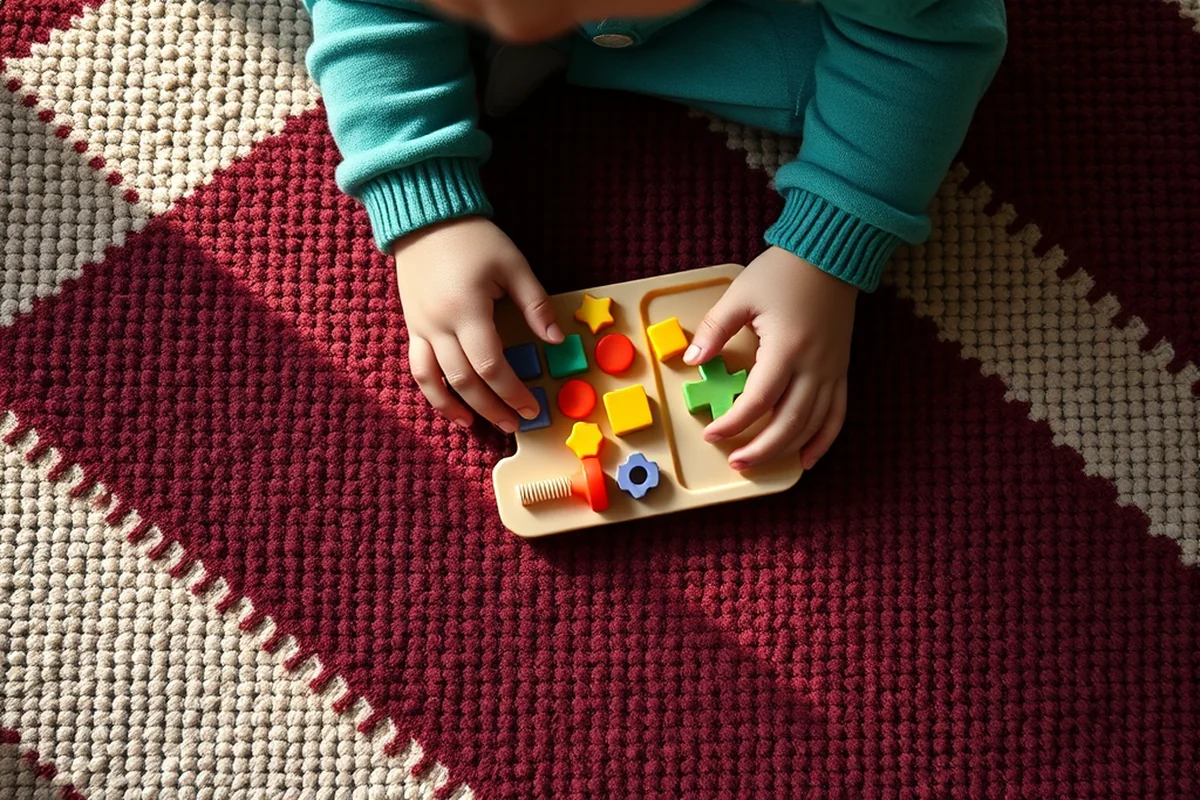
Emotional support is not just about comforting a child when they’re upset. It’s about being present for each other in all emotions — the happy ones, the sad ones, and even the frustrating ones.
I’ve learned that my toddler can sense when we’re stressed. If we’re not managing our own emotions, it affects her. So we make it a point to model how to handle stress — whether it’s taking a deep breath or saying, 'This is hard, but we can do this together.'
Emotional support also means not pretending everything is perfect. My toddler doesn’t need a family that’s always smiling. She needs one that’s real — where we make mistakes and apologize, where we’re sometimes tired but still trying to be kind.
Related: The child support enforcement agency
When to Step In and When to Step Back
I used to think that family support meant always being there for my toddler. But I’ve learned that sometimes, stepping back is the best support. For example, if my toddler is playing with a friend and gets upset, I don’t immediately rush in. Instead, I give her a moment to work it out on her own.
This teaches her problem-solving skills and helps her build confidence. It also gives me a chance to observe her interactions and see how she handles conflict. I’ve noticed that when I let her try to resolve things on her own, she often comes up with creative solutions.
Of course, there are times when I need to step in — like when she’s in danger or when she’s clearly overwhelmed. The key is knowing the difference and responding accordingly.
Related: Of child protection services
How Family Support Affects Child Development
Studies show that children who receive consistent emotional support from their families are more confident and better at handling stress. I’ve seen this in my toddler — she’s more willing to try new things and is quicker to recover from setbacks.[2]
One of the biggest changes I’ve noticed is in her communication skills. She’s started using more words to express her needs and feelings, and she’s more willing to listen to others. This is a direct result of the emotional support we’ve given her.
When a child feels supported, they’re more likely to take risks, explore new ideas, and build strong relationships with others. That’s the kind of impact family support can have.
Support shapes the way children see themselves and the world around them.
Related: What is child family services
The Long-Term Benefits of Family Support
One of the most lasting benefits of family support is the strength it builds within a family. When we support each other consistently, we create a foundation that helps us weather challenges together. This is especially important as our children grow and face their own struggles.
I’ve also noticed that our family has developed a stronger sense of unity. We’re more willing to compromise, help each other, and celebrate each other’s successes. This kind of bond doesn’t just help during the tough times — it carries over into everyday life.
Perhaps the most rewarding long-term benefit is watching our child grow into a confident, compassionate individual. She’s learning to be kind, to listen, and to support others — values that we’ve modeled for her. That’s the power of family support.
The Financial Aspect of Family Support
Financial support within a family goes beyond just providing for basic needs—it includes planning for education, healthcare, and even future opportunities. For example, setting aside $50 per month for a child’s college savings account, starting at age 1, can result in over $10,000 by the time they’re 18. This kind of planning builds security and reduces stress for both parents and children. I started this practice with my own children, and it gave them a tangible sense of what could be possible, even when we had limited income.[3]
Creating a family budget that includes unexpected expenses is another practical step. I found that budgeting for at least 10% of income toward emergencies significantly reduced financial anxiety. When my daughter had a medical emergency at age 5, we were able to cover the costs without going into debt. This kind of preparation is a form of support that parents may not realize is so impactful.[4]
Financial support also includes teaching children about money from an early age. I introduced my children to basic budgeting at age 7 using a weekly allowance system. They learned to save 20% of their allowance, and by age 10, they were managing small expenses independently. This practice not only helped them understand the value of money but also gave them a sense of responsibility that has carried into their teenage years.
🌼 Gentle Approach
Focuses on emotional connection and gentle guidance, ideal for families who value patience and empathy.
⚡ Fast-Track Support
Designed for busy parents who need quick, actionable strategies that work without extra time.
✈️ Travel/Away-from-Home Support
Tailored for families who are often on the go or living in different locations, helping maintain support across distances.
👶 Support for Multiples
Offers strategies for parents with more than one child, focusing on managing time and attention effectively.
🔄 Regression Reset
Helps parents navigate challenging developmental phases and reset their family support systems when needed.
| The mistake | Why it happens | The fix |
|---|---|---|
| Trying to support your child in every situation. | This can prevent them from learning independence and problem-solving skills. | Let them try to handle challenges on their own, only stepping in if necessary. |
| Ignoring your own needs for support. | Parents who neglect their own well-being can become overwhelmed, which affects their ability to support their family. | Make sure to carve out time for self-care and seek support from partners or family members. |
| Using inconsistent strategies for support. | Children thrive on stability and consistency — inconsistency can confuse them and make it harder for them to trust your support. | Create clear, consistent routines and communicate them to your child. |
| Overlooking the importance of emotional support. | Focusing only on practical support, like cleaning up or feeding, can leave your child feeling emotionally unmet. | Make sure to acknowledge and validate your child’s emotions, even in the busiest moments. |
What Is Family Support
Common Questions
How can I support my child when I’m overwhelmed?
What if my child refuses help?
How do I ensure consistency in family support?
Can family support help with discipline?
References
Cite this guide
Toddler Responsibility Building (2026). What Is Family Support. https://toddleroot.com/what-is-family-support/
Feel free to cite or share this guide.