
A Child Support Card
📖 Table of Contents
When my daughter turned three, I realized that she was beginning to understand the concept of responsibility in a way that I hadn’t anticipated. It started small — choosing her shoes in the morning, putting away her toys after playtime. But I wanted to create a system that would help her grow into a more independent and accountable child. That’s when I discovered the idea of a child support card — a tangible, visual tool that helped her learn to take care of her needs and the needs of others. It wasn’t just about tasks; it was about making her feel capable and valued.[1]
The first time I introduced the card, I wasn’t sure how she’d react. She was curious, touching the laminated paper and the colorful stickers that marked each completed task. It was a simple card, but it had the power to transform her behavior. I wasn’t just teaching her to clean up — I was showing her that her actions mattered, and that she could contribute to her family in meaningful ways.[2]
Over the next few weeks, I watched her begin to take initiative. She’d run to the kitchen to fetch a glass of water for her brother, or she’d remind me to pick up her brother’s toy before we left the house. The card became a symbol of her growth. It didn’t take long for me to see how this small idea had the potential to make a real difference in her life — and in the lives of the people she cared about.[3]
Why You'll Love This Approach to Building Responsibility
- Encourages autonomy and self-motivation through clear, achievable tasks
- Creates a visual and tangible way for a child to track their progress
- Strengthens family dynamics by fostering teamwork and shared goals
- Simplifies the process of teaching responsibility with a consistent, recognizable system
What Exactly is a Child Support Card?
As of October 2026, the card is typically a small, laminated piece of paper with several tasks listed, such as tidying their room, feeding the pet, or helping set the table. Each task is accompanied by a sticker that the child can place on the card once it's completed. This creates a visual reward system that makes responsibility feel tangible and rewarding.[4]
I designed my daughter’s card with simple, age-appropriate tasks that were things she could complete without supervision. It wasn’t about overwhelming her — it was about giving her a chance to feel accomplished. I made sure that the tasks were varied, so that she wouldn’t get bored or repeat the same ones over and over.
The card became part of our daily routine, and over time, she began to take pride in checking off each task. It wasn’t just about the sticker — it was about the sense of accomplishment that came with it.
Begin with only a few tasks and gradually increase the number as your child becomes more confident and capable.
Part of our Responsibility chart for toddler benefits guide.
How to Create a Child Support Card

I used a piece of cardstock and divided it into sections, each with a task that was relevant to my daughter’s life. I added small icons and pictures to make it more engaging for her. The key was to keep it simple and visual — she didn’t need to read complex instructions; she just needed to understand what was expected.
I also included a section where she could earn stickers for each task she completed. I made sure to choose stickers that were colorful and fun, so that she would be motivated to finish each task. I also added a space where I could write notes or give her praise after she completed a task.
Once the card was ready, I introduced it to my daughter as a fun way to track her progress. I made it clear that this wasn’t about punishment — it was about helping her grow and feel proud of herself.
A child support card isn’t just a tool — it’s a way to help your child feel capable and valued.
Related: Virginia child support
Related: Customer Connect Child Support
The Benefits of Using a Child Support Card
Using the card helped my daughter feel more in control of her environment. She began to understand that her actions had consequences — for example, if she forgot to pick up her toys, it meant that she had to do it again the next day. This gave her a sense of accountability that I hadn’t seen before.
I also noticed that she started to take more initiative in helping others. She began to look for ways to contribute, even when she wasn’t asked. It wasn’t just about checking off tasks — it was about building a habit of responsibility.
The card became a way for us to communicate and collaborate as a family. It helped us all understand what was expected and how we could support each other.
Pair each task with a visual sticker and a verbal affirmation, like 'Great job!' to reinforce the behavior.
“When my daughter turned three, I realized that she was beginning to understand the concept of responsibility in a way that I hadn’t anticipated.”— Toddler Responsibility Building editors
Related: California child support calculator 2026
Introducing the Card to Your Child
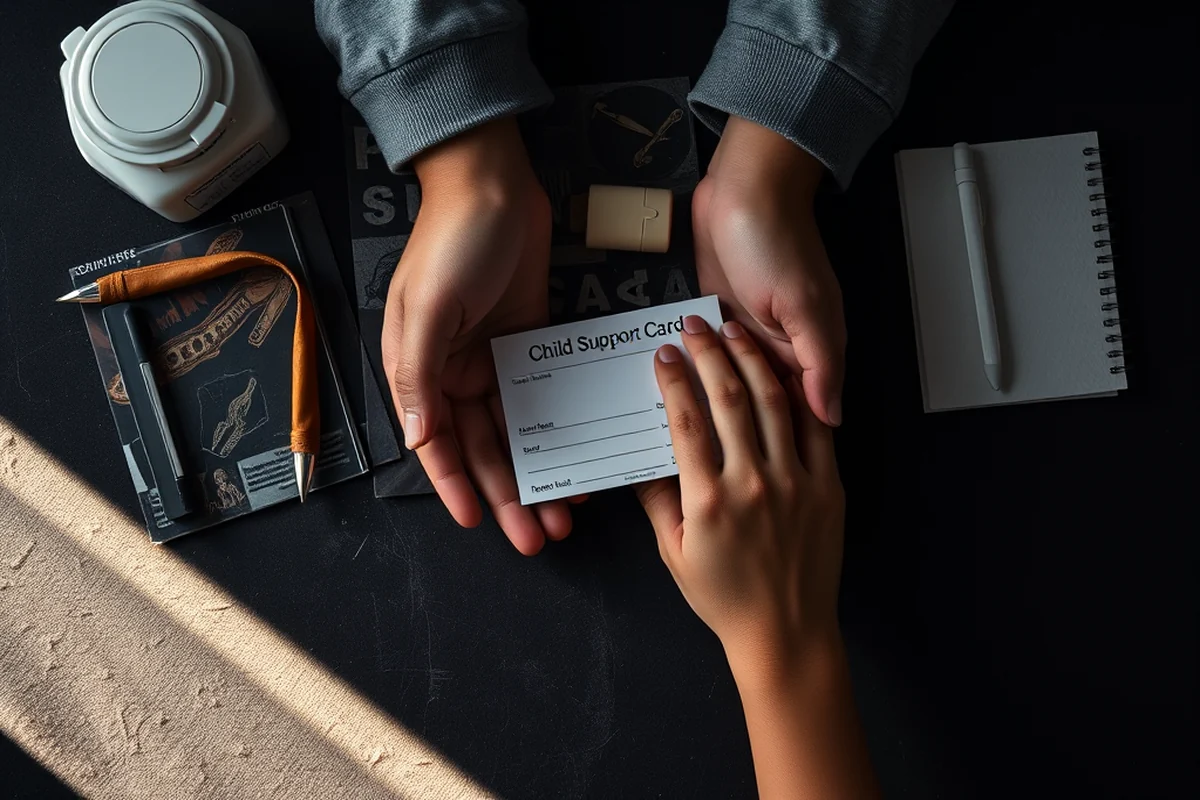
I made sure to introduce the card as a fun and exciting way to help my daughter grow. I didn’t make it feel like a chore or a punishment — I made it feel like a game. I told her that we were going to work together to help her become more responsible and capable.
I also made sure to explain the purpose of the card clearly. I told her that it was a way for her to see how much she was helping and how much she was growing. I made it clear that it wasn’t about perfection — it was about effort and progress.
I encouraged her to take ownership of the card. I let her choose the stickers and the tasks that she wanted to include. This gave her a sense of control and made her more invested in the process.
Related: California child support
Making the Card a Daily Habit
I made sure to use the card every day, even if it was just for a few minutes. I would sit down with my daughter and go through the tasks together, checking off what had been completed and discussing what needed to be done. This helped her see that she had a role to play in our family.
I also made it a point to review the card with her each evening. I would look at what she had completed and what she still needed to do. This helped her understand that responsibility was an ongoing process, not a one-time task.
Over time, the card became part of our daily routine. It wasn’t something that felt forced or unnatural — it was something that we did together, and that she looked forward to.
Related: A child support payment
When the Card Falls Short
There were a few times when my daughter didn’t seem to be interested in the card. I noticed that she was ignoring the tasks or getting frustrated when she didn’t complete them. I realized that I needed to adjust the way we were using the card.
I started to simplify the tasks even further and made sure that they were something she could complete without feeling overwhelmed. I also made the process more interactive by involving her in the creation of the card and letting her choose what she wanted to include.
I learned that the key to success was flexibility and adaptability. The card wasn’t a rigid system — it was a tool that needed to be adjusted as my daughter grew and changed.
Don’t be discouraged if the card doesn’t work perfectly at first — it’s a process of learning and growing together.
Related: Texas child support calculator 2026
The Long-Term Impact of a Child Support Card
Over the past few months, I’ve seen a noticeable change in my daughter’s behavior. She’s more confident, more independent, and more willing to take on tasks that she used to avoid. She’s also developed a stronger sense of self-worth, knowing that her efforts are recognized and valued.
I’ve noticed that she’s more willing to help her brother and other family members without being asked. She’s developed a habit of responsibility that I believe will serve her well as she grows older.
The card has become more than just a tool — it’s a part of our family’s identity. It’s a way for us to support each other and help each other grow.
🌱 Gentle Approach
Start with simple, low-pressure tasks and gradually introduce more complex responsibilities as your child becomes more confident.
🚀 Fast-Track Method
Introduce a variety of tasks at once and use a reward system to encourage quick progress and engagement.
✈️ Travel/Away-from-Home
Use a portable child support card that can be taken on trips or when you’re away from home to keep your child’s sense of responsibility consistent.
👶 Multiples
Customize the card for each child in the family, making it a shared family activity that encourages teamwork and individual growth.
🔄 Regression Reset
Use the card as a tool to help your child regain their sense of responsibility after a setback or a change in routine.
| The mistake | Why it happens | The fix |
|---|---|---|
| Overloading the card with too many tasks. | This can overwhelm the child and make the card feel like a chore rather than a fun and rewarding experience. | Start with a small number of tasks and gradually increase the number as your child becomes more confident. |
| Using the card as a form of punishment. | This can create negative associations with the card and make your child feel like they are being scolded for not completing tasks. | Use the card as a positive reinforcement tool, focusing on praise and encouragement rather than criticism. |
| Not involving the child in the process. | This can make the child feel like the card is being imposed on them, rather than being something they are excited about. | Involve your child in the creation of the card, letting them choose the tasks and the stickers that they want to include. |
| Forcing the child to use the card when they don’t want to. | This can lead to resistance and a lack of engagement, making the card less effective over time. | Let the child take ownership of the card, and only use it when they are willing to participate. |
A Child Support Card
Common Questions
How old should a child be to use a child support card?
How long should a child use the card?
Can the card be used for more than one child in the family?
How do I know if the card is working for my child?
References
- Data | The Administration for Children and Families (acf.gov)
- Get My CTA U-Pass - City Colleges of Chicago (ccc.edu)
- Early Childhood Nutrition and Breastfeeding Reports - CDC (cdc.gov)
- Missouri Kinship Navigator Program (cehd.missouri.edu)
Cite this guide
Toddler Responsibility Building (2026). A Child Support Card. https://toddleroot.com/a-child-support-card/
Feel free to cite or share this guide.